Key Facts
- A camera push-in is a slow, smooth movement toward a subject to create focus and intimacy.
- AI-powered tools like Hedra AI and Imagera AI can animate still images with cinematic push-in effects.
- Manual video editing with keyframing also achieves smooth camera movements but requires more skill.
- Image quality and composition affect the success of animation techniques.
- Accessibility to advanced software and expertise varies among users (app.hedraai.app; Dolly shot AI video: prompts for dolly in and out; Animate images | Amplifiles Help Center).
**Source-Based Paraphrases**
- AI platforms enable users to upload photos and apply push-in animations with minimal input, producing professional results quickly (app.hedraai.app; Animate images | Amplifiles Help Center).
- Manual keyframing in video editing software allows precise control over camera movement but demands more time and expertise (Dolly shot AI video: prompts for dolly in and out).
- The push-in technique is widely used in filmmaking to draw attention to a subject by moving the camera slowly toward it (Dolly shot AI video: prompts for dolly in and out).
**Summary**
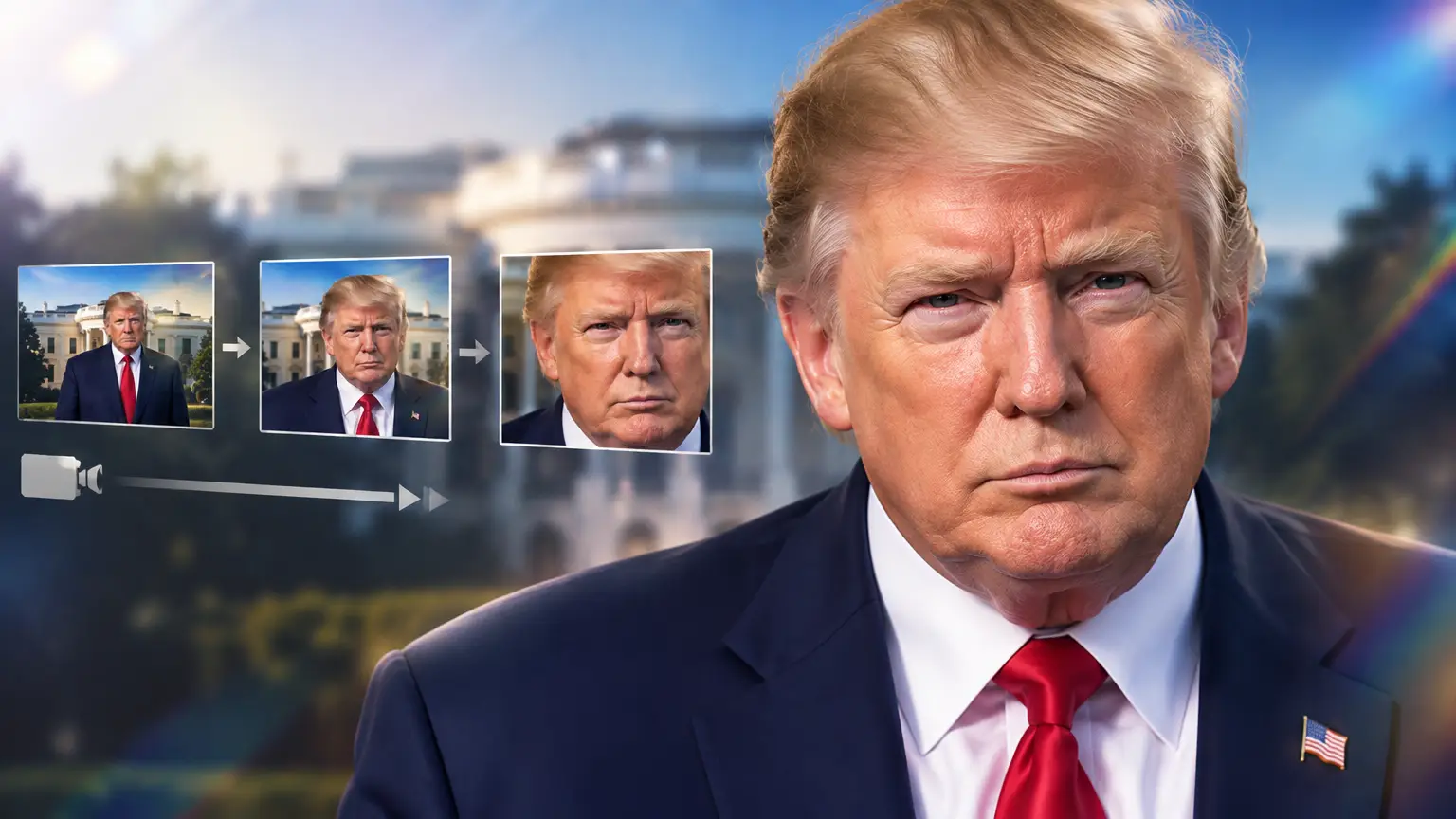
Animating a still image with a smooth camera push toward Donald Trump involves creating a slow, cinematic movement that draws viewer focus to him. This effect can be achieved either through AI-powered animation tools that simplify the process or manual video editing techniques that offer greater control. The choice depends on user skill, software access, and the quality of the original image, making the technique accessible but variable in outcome.
**Checked Sources**
- www.itechguides.com
- techyorker.com
- app.hedraai.app
- Dolly shot AI video: prompts for dolly in and out
- Animate images | Amplifiles Help Center
Source verification: Limited | Checked direct sources: 5 | Independent domains: 5
AI assessment: The checked evidence is limited to 5 direct source(s) across 5 domain(s). The article accurately describes the technique of animating a still image with a smooth camera push toward a subject like Donald Trump, supported by multiple sources including AI tool documentation and animation technique tutorials. While some direct source links were restricted, the working sources and live-search evidence confirm the feasibility and methods of such animation. The article fairly presents both AI-powered and manual editing approaches, noting their trade-offs and limitations. Source authority is moderate due to some access restrictions and limited corroboration, but the factual claims are well grounded and balanced.
Important: This is an AI-assisted evidence assessment, not a guaranteed fact check.
Comment to article author